
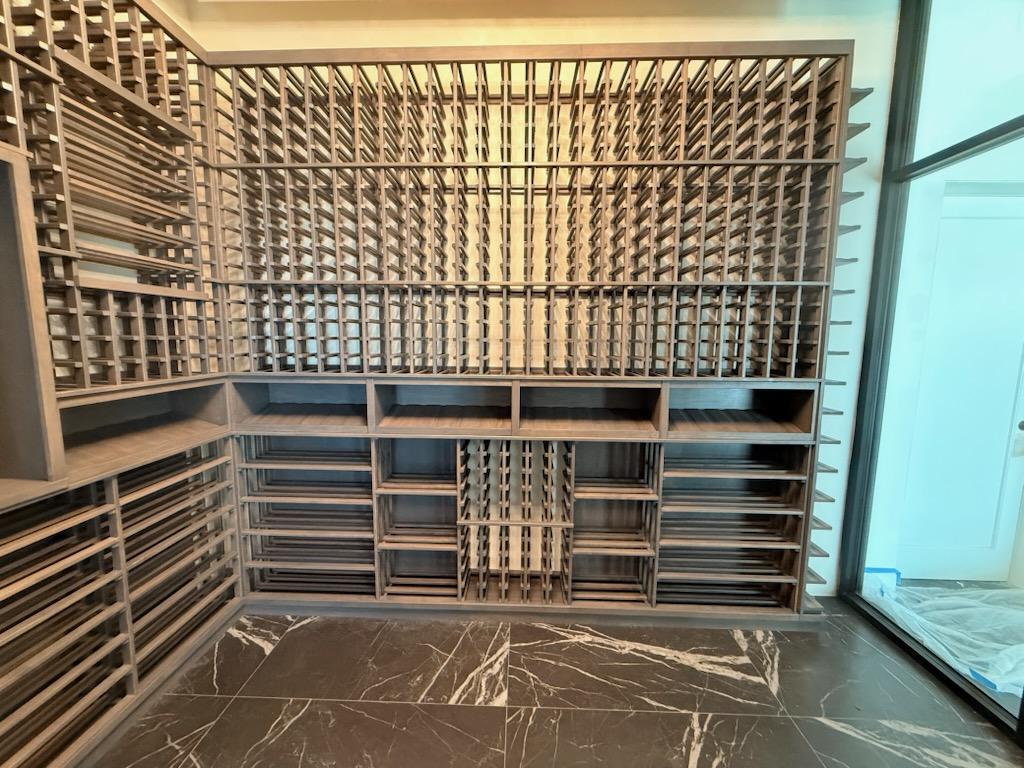
Planning a custom wine room starts with understanding your available space, the size and type of collection you want to store, and the style you want the finished room to have. From there, the key decisions include cooling, racking, lighting, and materials. Working directly with a manufacturer like Heritage Millworks keeps the design, fabrication, and installation connected from the first conversation through the final installation.
Whether you are converting a spare room, creating a statement feature near your dining area, or using an overlooked niche, a thoughtfully planned wine room can protect your collection while becoming one of the most distinctive spaces in your home.
Start With Your Space, Collection, and Goals
The best wine room design
begins with practical questions: Where will the room live? How many bottles do you need to store now, and how much room should be reserved for future growth? Will the space be used strictly for storage, or do you want it to serve as a place to display, taste, and entertain?
Homeowners in Charlotte, NC, and throughout North and South Carolina often assume a wine cellar must be below grade. It does not. A custom wine room can be built in a dining-room alcove, a conditioned bonus room, a pantry, a dedicated closet, or another suitable area of the home. The important part is designing the enclosure, insulation, cooling, and racking around the conditions of that specific space.
At Heritage Millworks, we help homeowners turn those early ideas into a clear plan for complete Wine Rooms & Cellars
that fit the home and the collection.
Step 1: Schedule a Design Consultation
Every project begins with a conversation about your home, your collection, and your priorities. During the design consultation, we review the proposed location, approximate bottle capacity, preferred aesthetic, display needs, and budget considerations. We also discuss whether you prefer traditional wood racking, contemporary label-forward displays, diamond bins, case storage, individual bottle cradles, or a combination of storage styles.
This is the time to identify the details that make the room feel personal. You may want a warm, classic wine cellar with rich millwork, a clean modern room behind glass, or a showpiece that coordinates with existing cabinetry and architectural trim. Our Wine Cellar Design & Planning
process brings those decisions together before fabrication begins.
Step 2: Review 3D Renderings Before Production
A custom wine room should be easy to visualize before anyone starts cutting material. Heritage Millworks develops 3D renderings so you can see the layout, racking arrangement, finishes, and overall scale in context. This step gives you an opportunity to confirm the design, make adjustments, and approve the plan with confidence.
Renderings are especially valuable for challenging spaces, including under-stair areas, narrow rooms, angled ceilings, and rooms with doors, windows, or mechanical components that need to be accommodated. They help ensure the finished installation supports both wine storage and the look you want for your home.
Step 3: Select the Right Wine Rack System and Materials
Your racking system has a major impact on storage capacity, accessibility, and style. A well-planned system makes it simple to organize bottles while giving the collection the presentation it deserves. Heritage Millworks manufactures Custom Wine Rack Systems
that can be tailored to your room dimensions, collection habits, and design preferences.
Wood selection is equally important. White oak
offers a clean, durable look with prominent grain and works beautifully in both transitional and contemporary homes. Mahogany
brings deep color and a traditional, refined appearance. Walnut
creates a rich, dramatic finish that pairs well with glass and modern lighting. Maple
provides a smooth, versatile surface that can be finished in a wide range of tones.
Beyond the wood species, consider the finish, hardware, lighting, and any matching architectural millwork. The goal is a room that feels intentionally integrated into the rest of your home—not simply a set of racks placed in an empty room.
Step 4: Specify a Proper Cooling System
Consistent temperature and humidity are essential for long-term wine storage. The right system depends on the room’s size, construction, insulation, glass area, location within the home, and desired capacity. Cooling should be considered early, not treated as an afterthought after the racking layout is complete.
Heritage Millworks coordinates the wine room plan around the equipment requirements so the result is both functional and attractive. Learn more about the factors involved on our Wine Cellar Cooling Systems
page. Proper planning helps protect your bottles and avoids compromising the finished design with poorly placed vents, equipment, or access panels.
Step 5: Move From Approved Design to CNC Fabrication
Once the design, materials, racking, and cooling plan are approved, fabrication begins. Because Heritage Millworks manufactures custom components in-house, the project stays connected from design through production. Our CNC capabilities support precise, repeatable fabrication for custom wine racking, millwork details, and components designed specifically for your space.
That direct connection matters. Instead of handing an approved concept from one vendor to another, you work with a team that understands the design intent and builds the components that will be installed. It is a practical advantage for homeowners who want a more coordinated experience and a finished wine room built around their exact needs.
Step 6: Complete the Installation
Installation is where the plan becomes part of your home. Our team installs the fabricated racking and millwork with attention to fit, alignment, finish details, and coordination with the completed space. Heritage Millworks serves homeowners across North Carolina and South Carolina, including the Charlotte area, with custom wine room installation designed to feel polished and permanent.
Before starting your project, it can also help to understand the major factors that influence pricing, such as room size, cooling needs, materials, storage capacity, and custom details. Visit our Wine Room Cost Guide
for a helpful overview.
Plan for Growth and Everyday Use
A wine room should work for the collection you own today and the one you expect to build over time. Consider leaving room for new purchases, larger-format bottles, cases, and display bottles you want to keep accessible. Think about how you will inventory your wine, whether labels should face out, and which bottles you want within easy reach.
When your storage plan, cooling needs, and design preferences are addressed together, custom wine rooms become more than storage. They become a lasting feature that protects your investment, supports entertaining, and reflects your personal style.
FAQ
Do I need a basement for a custom wine room?
No. A wine room can be created in many areas of a home, including a closet, pantry, spare room, dining area, or under-stair space. The room simply needs to be planned correctly for insulation, cooling, and storage.
How many bottles should my wine room hold?
Capacity depends on your current collection, buying habits, available space, and plans for growth. During the design process, we help determine a layout that balances immediate needs with future flexibility.
Which wood is best for wine racking?
White oak, mahogany, walnut, and maple are all strong options. The right choice depends on the look you want, the finish you prefer, and how the racking will coordinate with your home.
Why should cooling be included in the initial design?
Cooling equipment affects room construction, ventilation, insulation, access, and aesthetics. Addressing it early helps protect your wine and keeps the finished room visually cohesive.
Can Heritage Millworks handle the project from design through installation?
Yes. Heritage Millworks connects consultation, 3D design, material selection, custom fabrication, and installation so homeowners can work directly with the manufacturer throughout the project.
Ready to start planning your wine room? Request our Wine Room Buyer Guide or schedule a free consultation with Heritage Millworks through our contact page.
Discover helpful insights, expert advice,
and practical information
on topics that matter to you.
Ready to Get Your Millwork into Production?
Submit a project inquiry through our contact form or call our shop directly.
Our team is available Monday through Friday, 7 AM to 3 PM, and responds to all inquiries within one business day.