
Quick Summary:
Indoor saunas are often the best fit when your home has an existing room with adequate space, ventilation, and electrical access. Outdoor saunas are ideal for homeowners with usable yard space who want a dedicated, freestanding retreat. The right choice depends on your layout, installation conditions, preferred sauna experience, and how you want your custom sauna to complement everyday life at home.
At Heritage Millworks, we help homeowners across Charlotte, NC, and throughout North and South Carolina create custom saunas that feel purposeful, comfortable, and built for long-term enjoyment. With more than eight years of sauna installation experience, we understand that the question is not simply whether you prefer indoor saunas or outdoor saunas—it is which setting will work best for your home, property, and routine.
Start With the Space You Already Have
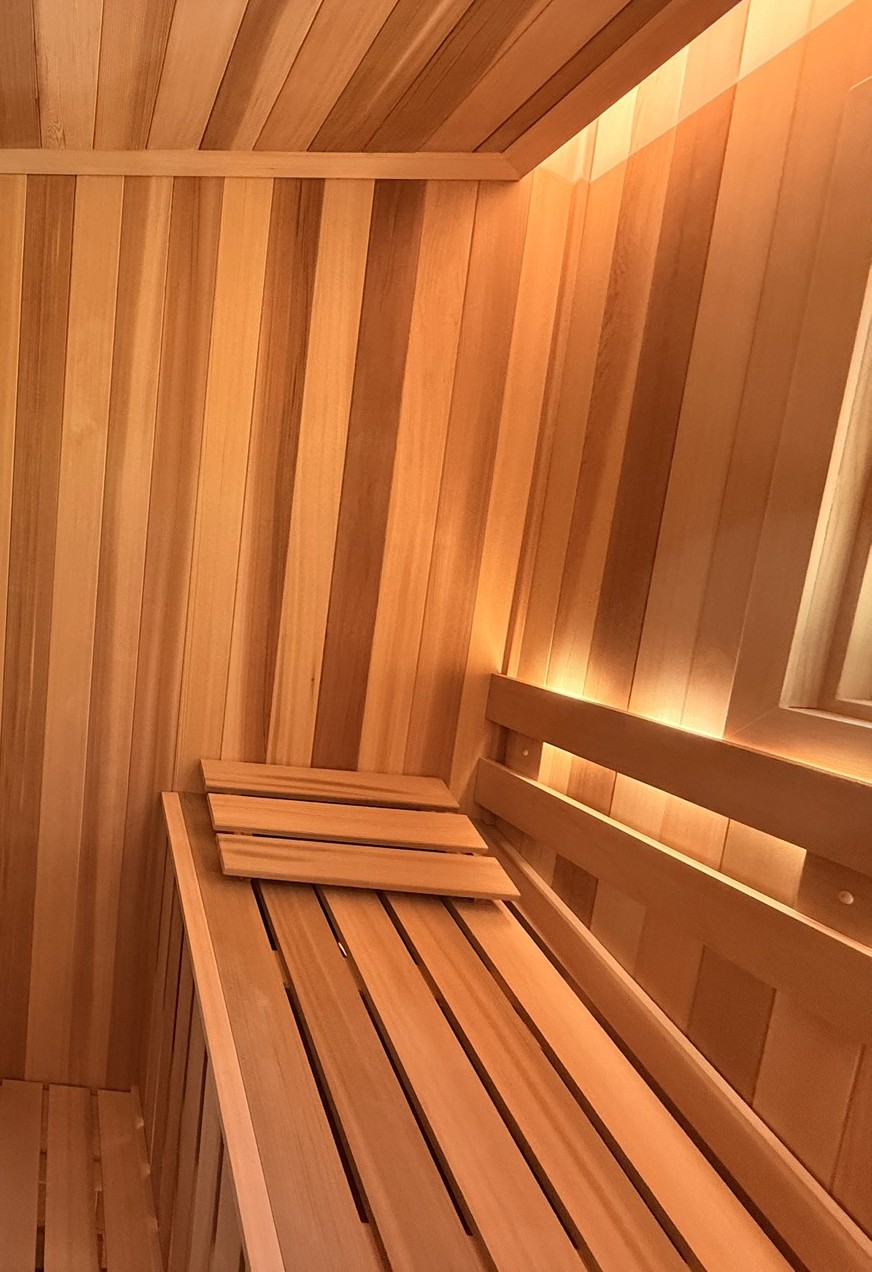
An indoor sauna can be an excellent option if you have an underused bathroom, home gym, basement, spare bedroom, or other enclosed area that can be adapted for sauna use. Because the sauna is within the home, it may be especially convenient for frequent use: no walking outside, no exposure to the elements, and easy access to a shower or changing area.
However, an indoor installation needs more than an open corner. The room must allow for the sauna shell, safe clearances, a door swing, seating, and access for service or maintenance. Ceiling height, floor conditions, and the route for moving materials into the space also matter. Heritage Millworks offers rectangular Indoor Sauna Installation
options designed around the dimensions and character of your home.
Outdoor saunas use your property differently. A backyard, pool area, patio edge, or wooded portion of a lot can become a private wellness destination. If interior space is limited, an outdoor sauna can preserve your home’s existing square footage while giving you room to create a more distinct retreat. Our outdoor custom saunas can include barrel, shed-style, and rectangular shell options, depending on the look, capacity, and footprint you prefer.
Ventilation and Moisture Management Are Essential
Every sauna produces heat and moisture, so ventilation is a key planning factor regardless of location. With indoor saunas, thoughtful air movement helps the sauna perform properly and protects the surrounding room. The installation should account for intake and exhaust ventilation, insulation, vapor control, and the materials around the sauna. A nearby shower, bathroom fan, or dehumidification strategy may also influence the overall design.
Outdoor saunas still need proper ventilation, but they are not enclosed within the home’s finished interior. That can simplify some moisture considerations while introducing others, including rain, humidity, drainage, and seasonal temperature changes. A well-built outdoor sauna should be positioned and constructed to manage water effectively rather than trapping it beneath or around the structure.
Heritage Millworks approaches each project as a custom installation, not a one-size-fits-all kit. We help homeowners think through how the sauna will be used, where heat and moisture will go, and what details will support comfortable use for years to come.
Consider Weather Exposure and Placement Outdoors
Outdoor saunas offer a special experience in every season, but they must stand up to the weather. In North Carolina and South Carolina, that can mean summer heat, humidity, rain, wind, pollen, and occasional cold snaps. Site selection matters: choose a location with practical access, appropriate drainage, and enough distance from trees or structures where needed.
A foundation or stable placement surface is equally important. Depending on the sauna style and site conditions, that may involve a concrete pad, pavers, a properly built deck, or another level, load-bearing base. The goal is to keep the sauna stable, accessible, and protected from standing water. Electrical runs, lighting, pathways, and privacy screening should all be considered before installation begins.
For homeowners in the Charlotte, NC area and beyond, outdoor placement can also shape how the sauna fits into a larger backyard plan. It may sit near a pool, connect to a covered patio, or become a standalone destination at the edge of the property.
Plan Electrical Access and Your Heating Style
Both indoor and outdoor custom saunas need a safe, properly planned power source when using an electric heater or infrared system. Electrical capacity, dedicated circuits, equipment location, and local code requirements should be reviewed early. Outdoor installations may require a longer electrical run, trenching, or weather-rated components, while indoor installations may need upgrades to support the selected heater.
Heating style is another major decision. Infrared saunas
heat the body more directly and commonly operate at lower air temperatures. They can be a compelling choice for homeowners who prefer gentler heat and a relatively straightforward sauna experience. Traditional saunas
heat the air with a sauna heater and stones, creating the classic high-heat environment many people expect. Traditional heaters may be electric or wood-fired, depending on the project and location.
Neither option is automatically better. The best fit depends on how hot you want the space, whether you enjoy traditional steam created by water on stones, your electrical setup, and your preferred maintenance routine. We can help you weigh the practical differences as part of your Custom Saunas
plan.
Choose Wood for Comfort, Durability, and Appearance
The wood inside a sauna affects its look, aroma, comfort, and long-term performance. Common choices include cypress, basswood, hemlock, and western red cedar. Each species brings different strengths to a custom sauna design.
- Cypress is valued for its natural durability and moisture resistance, making it a strong option for many sauna environments.
- Basswood has a clean, light appearance and low odor, and it remains comfortable to the touch in high heat.
- Hemlock offers a smooth, understated look and can work well for a refined interior finish.
- Western red cedar is known for its rich color, distinctive aroma, and natural resistance to moisture and decay.
The best wood species depends on your preferences, budget, desired visual style, and whether the sauna will be indoors or exposed to outdoor conditions. As a custom woodworking company, Heritage Millworks can help you select materials that feel cohesive with the rest of your home or outdoor living space.
Which Sauna Setting Fits Your Lifestyle?
Choose an indoor sauna when convenience is your top priority, you have a suitable existing room, and you want easy year-round access from inside the house. Indoor saunas can be a natural extension of a primary bath, fitness room, or wellness-focused renovation.
Choose an outdoor sauna when you want a dedicated escape, have yard space available, or prefer not to rework an interior room. A Outdoor Sauna Installation
can create a memorable backyard feature while keeping heat and moisture outside the home’s main living areas.
FAQ
Can a custom sauna be installed in a basement?
Yes, a basement can be a good indoor location when it has sufficient ceiling height, electrical access, ventilation, and a practical path for installation materials. Moisture control and the surrounding room conditions should be reviewed before finalizing the design.
Do outdoor saunas need a foundation?
They need a stable, level, and properly drained base. The exact foundation or placement method depends on the sauna shell, soil conditions, local requirements, and site layout.
Is cedar the only wood used for custom saunas?
No. Cedar is popular, but cypress, basswood, and hemlock are also widely used. The right choice depends on the qualities you value most, including appearance, aroma, heat comfort, and moisture resistance.
Can I choose between infrared and a traditional sauna heater?
Yes. Your heating choice should be based on the sauna experience you want, the available power supply, installation setting, and the temperature range you prefer.
Does Heritage Millworks install saunas outside Charlotte?
Yes. Heritage Millworks serves Charlotte, NC, as well as homeowners throughout North and South Carolina. We can discuss your project location, sauna goals, and site requirements during the planning process.
Whether you are envisioning a convenient indoor wellness space or a backyard retreat, Heritage Millworks can help you plan a custom sauna that suits your home. Request a free consultation to discuss your indoor or outdoor sauna project.
Discover helpful insights, expert advice,
and practical information
on topics that matter to you.
Ready to Get Your Millwork into Production?
Submit a project inquiry through our contact form or call our shop directly.
Our team is available Monday through Friday, 7 AM to 3 PM, and responds to all inquiries within one business day.