
Quick Summary:
Before installing a home sauna, decide where it will go, how many people it should fit, whether you prefer infrared or traditional heat, which wood species best suits the interior, and what ventilation and electrical work will be required. You will also need to choose between ordering a custom shell for your own contractor to finish or working with a team that can support a more complete installation. With the right plan, a sauna can become a comfortable, durable part of your home for years to come.
A home sauna can create a dedicated space to slow down, recharge, and enjoy a spa-like experience without leaving home. But a successful project starts well before the first board is cut. At Heritage Millworks, we help homeowners, builders, and designers across North Carolina and South Carolina think through the practical decisions that shape the finished space.
Choose the Right Location First
Your location affects nearly every other decision, from construction details to electrical planning. Indoor Sauna Installation
is often a strong fit for a bathroom, home gym, basement, spare room, or wellness area. Indoor saunas are convenient year-round and can feel like a seamless extension of the home when the materials and layout are chosen carefully.
Outdoor Sauna Installation
can be an appealing option when indoor square footage is limited or when you want a separate retreat near a patio, pool, or backyard gathering space. For outdoor saunas, plan for a stable base, weather exposure, access to power, and a practical route from the house. In North and South Carolina, it is also important to consider sun, humidity, rain, and the site’s drainage patterns.
Plan the Size Around How You Will Use It
Think beyond the number of people you expect to use the sauna at one time. Consider whether you want room to stretch out, sit upright comfortably, or include different bench heights. A compact one- or two-person sauna may work well in a primary bathroom or home gym, while a larger design can accommodate family use or guests.
Ceiling height, door swing, bench depth, and clearance around the heater all matter. A carefully sized sauna also helps you select the right heater capacity. Heritage Millworks can help you evaluate dimensions early so the design feels intentional rather than squeezed into an available corner.
Decide Between Infrared and Traditional Heat
Heating type is one of the most personal choices in a sauna project. An infrared sauna uses radiant heat directed toward the body and generally operates at lower air temperatures. Some homeowners prefer this approach for its gentler-feeling warmth and relatively quick warmup.
A traditional sauna uses a heater to warm the air and sauna stones, creating the familiar high-heat experience many people expect. Depending on the heater and design, users may also add water to the stones for steam-like humidity. Traditional systems typically require more planning for heater placement, clearances, electrical service, and ventilation, but they deliver a classic sauna environment.
There is no universal best choice. Consider the experience you want, the available power, the room size, and how frequently you expect to use the sauna before choosing a system.
Select Sauna Wood Built for Comfort
The wood you choose has a major effect on both the appearance and comfort of the space. Sauna interiors should use species that remain comfortable to touch, hold up well in warm, humid conditions, and avoid excessive resin or odor.
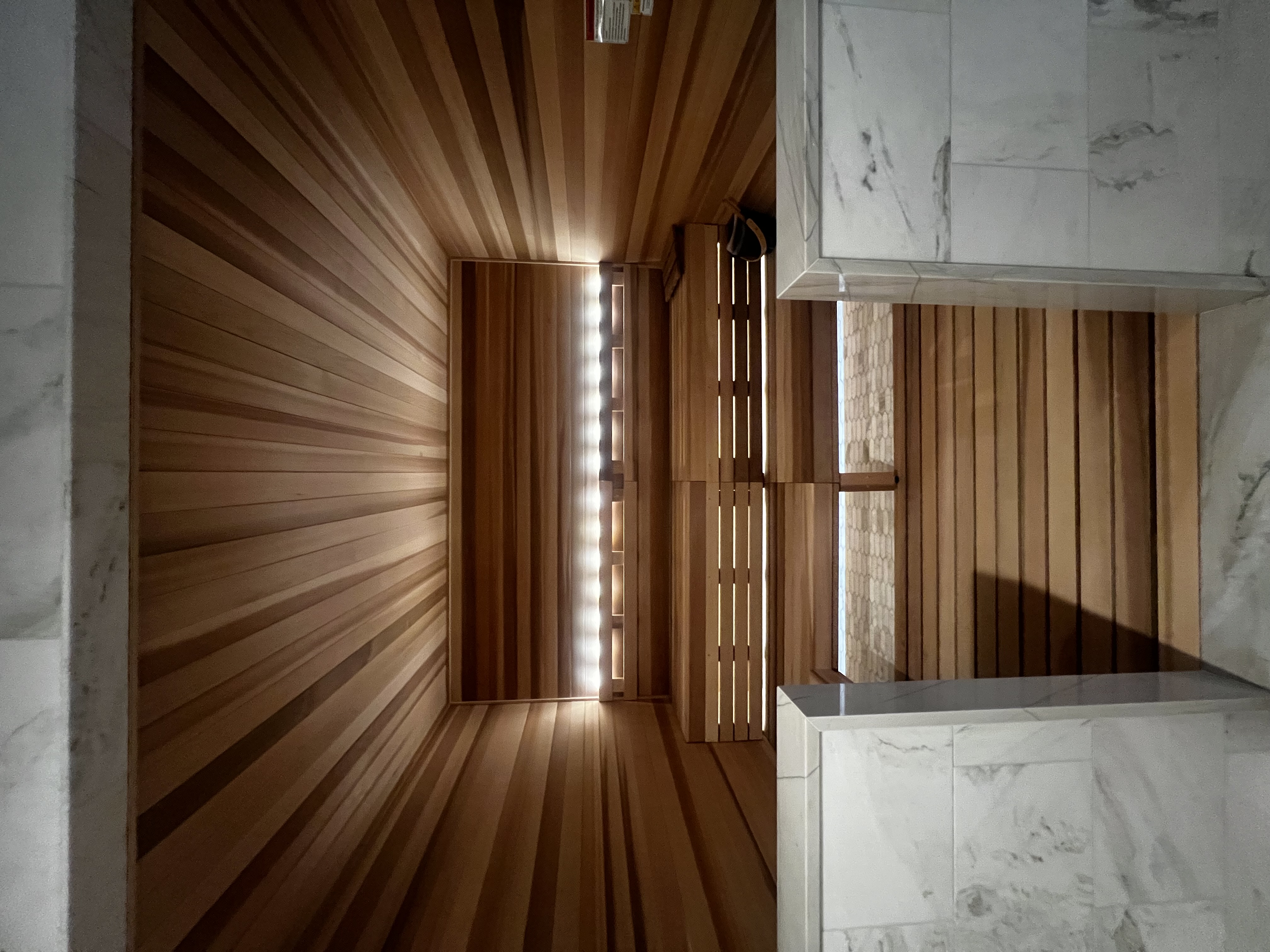
Cypress is a popular choice because it is naturally durable and handles moisture well. Its warm color and distinctive grain can give a sauna a rich, inviting character. Basswood is another excellent interior option. It has a smooth, light appearance, low resin content, and a relatively neutral aroma, making it especially comfortable for benches, backrests, and interior wall surfaces.
Wood selection is also where Custom Saunas
stand apart. Instead of settling for a generic look, you can coordinate the sauna with surrounding millwork, flooring, lighting, or the overall style of your home.
Address Ventilation and Electrical Requirements Early
Proper ventilation supports comfort, air movement, and long-term performance. A sauna needs a thoughtful intake and exhaust path so heat is distributed effectively and moisture can move out of the space after use. The exact configuration depends on whether the sauna is indoors or outdoors, the heater type, and the surrounding construction.
Electrical requirements should be reviewed before finalizing the design. Traditional heaters often need dedicated electrical circuits, while infrared systems may have different power needs. In either case, involve a qualified electrician and make sure local code requirements are addressed. Planning these details early can prevent costly changes after construction begins.
Choose a Custom Shell or Complete Installation Support
Some projects are best served by a custom-built shell. Custom Sauna Shells
can be a practical choice when you already have a contractor, builder, or experienced installer coordinating the finish work. This approach gives you a tailored structure while allowing your project team to manage the remaining site work.
Other homeowners prefer broader installation support, especially when the project involves framing, finishes, electrical coordination, or an outdoor structure. Heritage Millworks works directly with clients and trade partners to create sauna solutions that fit the project scope, whether you need custom lumber, a shell, or a more complete installation plan.
FAQ
How much space do I need for a home sauna?
That depends on the number of users, bench layout, heater clearances, and whether you want space to recline. Even a compact sauna can be comfortable when it is designed around how you plan to use it.
Is cypress or basswood better for a sauna?
Both are excellent choices. Cypress offers natural durability and a warmer, more pronounced visual character, while basswood provides a light, smooth, low-resin interior that is especially comfortable for seating surfaces.
Can I install a sauna outdoors in the Carolinas?
Yes. An outdoor sauna should be designed for the site, with attention to the foundation, weather protection, drainage, ventilation, and electrical access. These details are particularly important in the humid conditions common across North and South Carolina.
Do I need a dedicated electrical circuit for a sauna?
Many sauna heaters require a dedicated circuit, but the exact requirement depends on the heater type and size. Consult a qualified electrician early in the planning process.
Should I buy a kit or build a custom sauna?
A kit may work for a straightforward, limited-space project. A custom sauna is often the better choice when you need a specific size, want premium interior wood, need to match your home’s design, or are working around unusual site conditions.
If you are considering a sauna for your home in North Carolina or South Carolina, Heritage Millworks can help you turn the right early decisions into a finished space that fits your home and your routine. Request a free quote to start planning your custom sauna project.
Discover helpful insights, expert advice,
and practical information
on topics that matter to you.
Ready to Get Your Millwork into Production?
Submit a project inquiry through our contact form or call our shop directly.
Our team is available Monday through Friday, 7 AM to 3 PM, and responds to all inquiries within one business day.